

What Is Paediatric Dentistry? Children’s Dental Care from Infancy to Adolescence
Paediatric dentists specialise in children's oral health from the first tooth to adolescence — building healthy habits and preventing problems before they start.

DentalHealth Team
Apr 9, 2026Updated Aug 30, 2026 8 min read
Overview
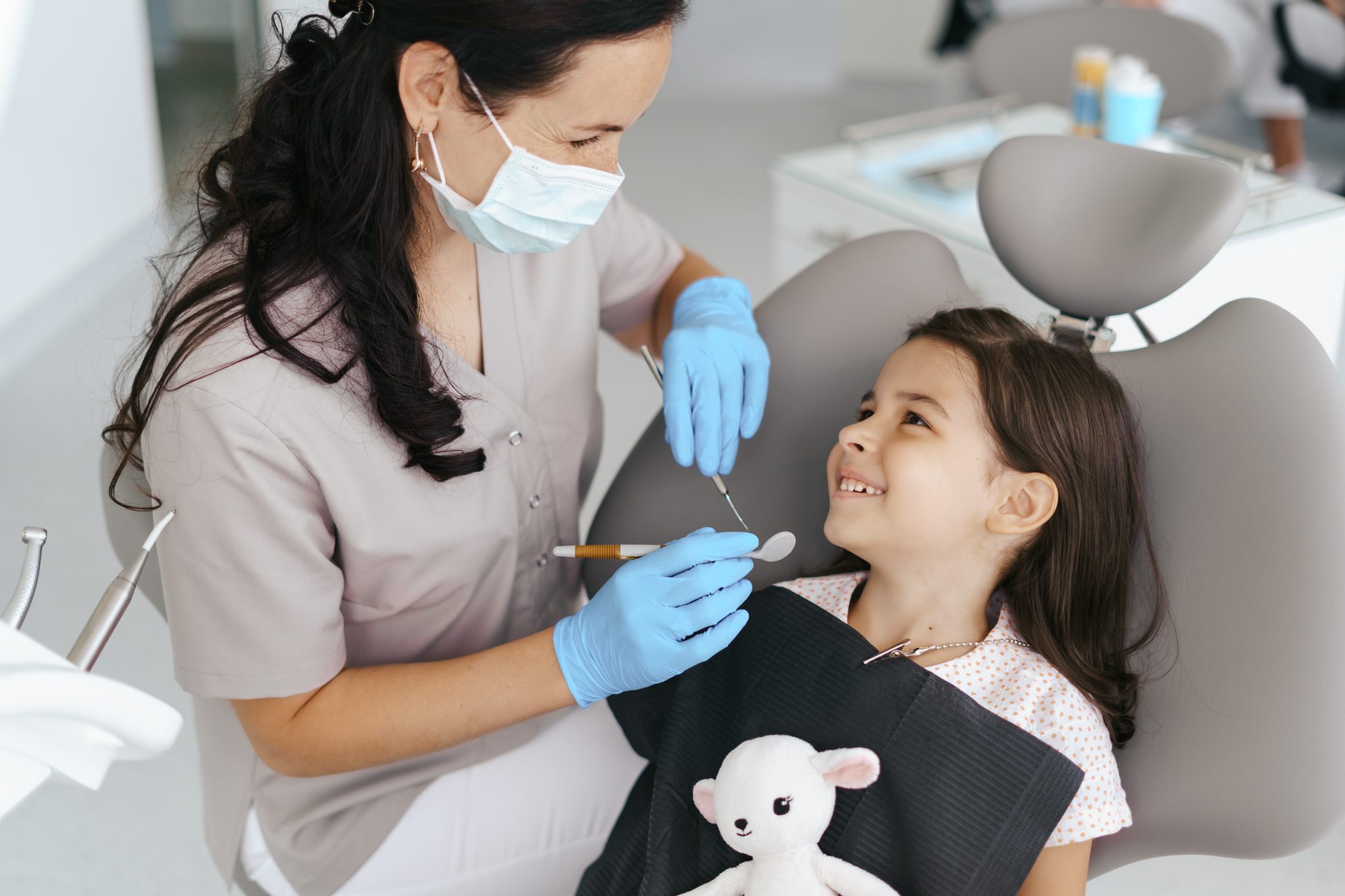
Paediatric dentistry is the dental specialty dedicated to the oral health of infants, children, and adolescents, including those with special health care needs. A paediatric dentist completes two to three years of additional postgraduate training after dental school, learning about child development, behaviour management, child psychology, and the specific dental conditions affecting young patients.
The primary goal of paediatric dentistry is to establish healthy oral habits from an early age, treat dental problems before they affect permanent teeth, and create a positive dental experience so children grow up without dental anxiety.
Why Are Baby Teeth Important?
A common misconception is that primary (baby) teeth are unimportant because they will eventually fall out. In fact, baby teeth hold space in the jaw for the permanent teeth developing beneath them. Early loss of baby teeth can cause neighbouring teeth to drift, leading to crowding of permanent teeth. Baby teeth are also essential for chewing food properly, supporting nutrition, and helping children speak clearly.
When Should a Child First See a Dentist?
The American Academy of Pediatric Dentistry recommends that a child’s first dental visit occur within six months of the first tooth erupting, and no later than the first birthday. This early visit allows the dentist to check for signs of early childhood caries, provide guidance on feeding, pacifier use, and oral hygiene, and help the child become comfortable in a dental environment.
Common Paediatric Dental Treatments
Fluoride Treatments
Topical fluoride applications strengthen tooth enamel and help prevent cavities. Fluoride varnish is applied to the teeth by the dentist at check-up visits and is one of the most evidence-based preventive interventions available for children.
Dental Sealants
Sealants are thin plastic coatings applied to the chewing surfaces of the back teeth, where most childhood cavities form. Sealants fill these grooves and reduce the risk of decay by up to 80 percent according to research from the Centers for Disease Control.
Space Maintainers
If a baby tooth is lost prematurely due to decay or injury, a space maintainer is placed to hold the gap open until the permanent tooth is ready to erupt. Without this device, neighbouring teeth drift into the space, causing crowding and misalignment of permanent teeth.
Paediatric Orthodontic Screening
Paediatric dentists monitor jaw growth and tooth eruption patterns and refer children for orthodontic evaluation when appropriate. Phase 1 orthodontic treatment, sometimes called interceptive orthodontics, is carried out on children between six and ten years of age to correct developing problems before they worsen.
Behaviour Management in Paediatric Dentistry
Paediatric dentists are trained in a range of techniques to help children feel at ease, including tell-show-do (explaining and demonstrating each step before performing it), positive reinforcement, and distraction techniques. For children with significant anxiety or special health care needs, sedation options including nitrous oxide, oral sedation, and general anaesthesia are available.
Tips for Parents: Building Good Oral Habits
Clean your baby’s gums with a soft damp cloth even before teeth appear. When the first tooth erupts, begin brushing twice daily with a tiny smear of fluoride toothpaste. From age three, use a pea-sized amount. Supervise brushing until around age eight. Limit sugary drinks and snacks, particularly between meals. Never put a baby to bed with a bottle of milk or juice.
Frequently Asked Questions
At what age do children lose their baby teeth?
Most children begin losing baby teeth around age five or six, starting with the lower front teeth. The process continues until around age twelve or thirteen when all primary teeth are typically replaced by permanent teeth.
My child is afraid of the dentist. What should I do?
Start with a friendly introductory visit before any treatment is needed. Choose a practice with a child-centred environment. Paediatric dentists are specifically trained in managing dental anxiety and can use techniques such as nitrous oxide to help nervous children.
What causes tooth decay in children?
Tooth decay is caused by bacteria in the mouth that feed on sugars from food and drink, producing acids that erode tooth enamel. Baby bottle tooth decay, caused by prolonged contact with sweet liquids during feeding or sleep, is a common and preventable cause of early childhood caries.
Dental news for professionals, weekly.
Join dental professionals getting our weekly brief.
No spam. Just useful dental intelligence.
Need a dental consultation?
Send your question and we will route it to the right contact.